Ye Live in Jakarta: What Ye's GBK Show Means for Jakarta's Concert Scene
Raw Vision Collective brought Ye's 360° Globe Stage to GBK on 24 October 2026. A look at the numbers and what the show signals for Jakarta's live-event industry.

On Saturday, 24 October 2026, Ye (formerly Kanye West) played his first-ever concert in Indonesia, Ye Live in Jakarta, at Gelora Bung Karno Main Stadium (SUGBK). Jakarta was the only Southeast Asian stop on the Ye Live Concert Tour 2026, which supports his album Bully. That exclusivity turned the show into a regional destination event.
The promoter: Raw Vision Collective
The show was promoted by Raw Vision Collective, a Jakarta-based promoter led by CEO Micha Ananda. Ticketing partner PT Global Loket Sejahtera (Loket) is also listed on the Ministry of Creative Economy’s EKRAF agenda. Rolling Stone Philippines notes that Raw Vision operates largely independently of global giants such as Live Nation and AEG.
Before the Jakarta date, the team ran an official Bully listening party in Jakarta in April. Rolling Stone Philippines reports they also spent a month with Ye’s team in Los Angeles before securing the booking. From the start, Raw Vision pitched the show as a trip for fans across Southeast Asia and Australia. Its marketing leaned on Jakarta’s direct flight links and offered official ticket-and-hotel bundles. In Micha Ananda’s words, the show was “more than a concert.”
The show
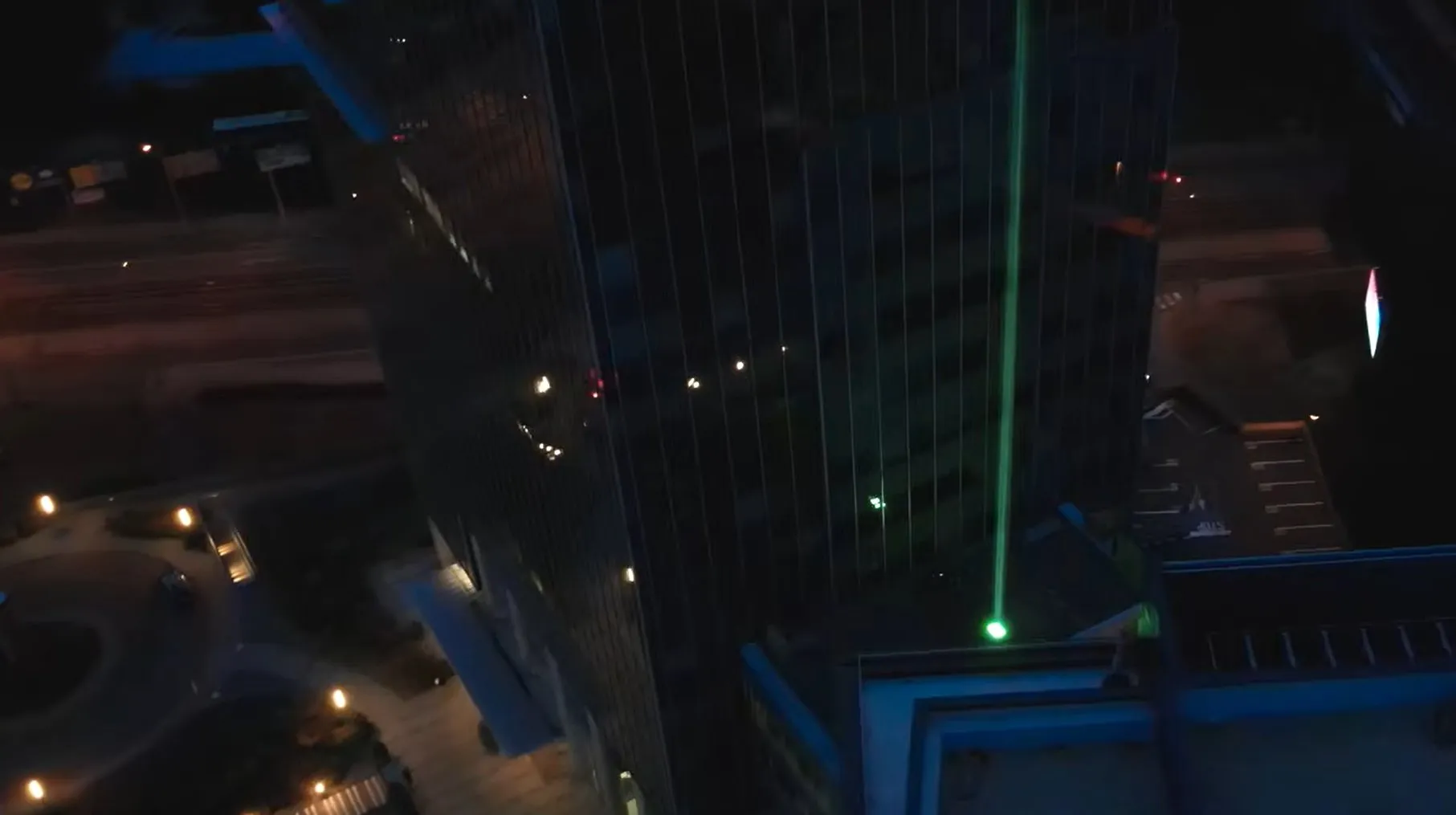
The production centred on Ye’s signature Globe Stage: a 360-degree dome structure in the middle of the stadium, with the audience surrounding it. According to Tempo, the dome was flown in from abroad. Ye opened with “King” and performed around 30 songs. Fans also mentioned plenty of fireworks during the show.
The numbers
According to Raw Vision Collective, published by several outlets, the main figures are:
- About 70,000 attendees, including roughly 25,000 foreign visitors from 80 countries.
- The top visiting countries were Australia, Singapore, Malaysia, the Philippines and Thailand.
- Hotel occupancy around the venue reportedly reached close to 100%, according to PHRI DKI Jakarta.
Indonesia’s Directorate General of Immigration recorded about 25,000 foreign arrivals between 21 and 24 October, peaking at around 10,000 on the day before the show. It issued 88 performer visas for Ye and his crew. MRT Jakarta extended service to 01:30 and Transjakarta added buses.
Estimates of the economic impact vary by source. Jakarta Governor Pramono Anung put ticket sales at about Rp328 billion and the total impact at around Rp450 billion. The Ministry of Tourism, citing Raw Vision and PHRI data, put total turnover at about Rp600 billion, with roughly 5,000 workers involved in production and operations.
Ye remains a controversial figure. Earlier in 2026 he was barred from entering the UK, and several tour dates elsewhere were cancelled. Asian demand nevertheless stayed strong.
What it means for Jakarta’s concert industry
- Jakarta as a regional concert hub. A single-city Southeast Asian stop drew tens of thousands of international fans. That helps the case for bringing more exclusive stadium shows to Jakarta rather than Singapore or Bangkok. The government is clearly paying attention: the show was one of more than 25 international events backed by the Ministry of Tourism’s Event by Indonesia programme.
- Local promoters can play at stadium scale. An independent Indonesian promoter delivered a world-tour stadium date. It also packaged travel, hotels and side events around the show. This raises the bar for the local scene.
- Infrastructure is ready. Extended MRT hours, extra Transjakarta capacity and fast immigration handling showed that GBK and the city can move a crowd of 70,000.
- Production standards keep rising. Touring 360° stages and immersive visual design are becoming what audiences expect. For local production teams, the crew involved, from rigging and power to lighting, video and special effects, is a sign of the work these shows create. Reviews also flagged sound issues in the festival area, which is a reminder that stadium-scale audio and visual design still need careful planning.
For brands, EOs and venues, the lesson is that a concert in Jakarta is now an international travel product. Its production value has to match.
Sources
- Kanye West to perform in Jakarta in October, his tour’s only South-East Asia stop — The Star
- YE (Kanye West) set for first Indonesia concert with massive ‘Globe Stage’ show in Jakarta — Bandwagon
- Kanye West Brings ‘Ye Live in Jakarta’ in October — Tempo
- Kanye West Performs 30 Songs at Jakarta Concert Featuring Giant Globe Stage — Tempo
- Kanye West – Ye Live in Jakarta — EKRAF Hub
- Ye’s Concert was Historic for Jakarta. Could the Philippines Have Pulled It Off? — Rolling Stone Philippines
- Imigrasi Catat 25 Ribu Orang WNA Datang ke Indonesia saat Konser Kanye West — IDX Channel
- JRF 2026 dan Konser Kanye West Beri Dampak Ekonomi Rp625 Miliar bagi DKI — Investortrust
- Menpar: Konser Ye Ditonton 25 Ribu Turis, Perkuat Music Tourism — Bloomberg Technoz
- Metro TV on X: MRT & Transjakarta for Ye Live in Jakarta